Top Commercial Fire Protection Services Every Facility Needs
When it comes to protecting your business from fire-related risks, having the right Commercial Fire Protection Services in place is essential. From early detection to rapid suppression, every component plays a critical role in ensuring life safety, reducing property damage, and maintaining regulatory compliance. Whether you manage a healthcare facility, office park, warehouse, or retail center, understanding the core fire protection services your facility needs can mean the difference between recovery and catastrophe.
Why Fire Protection Services Are Critical for Commercial Buildings
Fires in commercial buildings can cause extensive damage and often lead to business interruptions, legal issues, and tragic loss of life. Fire codes and regulations are in place for a reason: to safeguard occupants and ensure that buildings are equipped to detect, contain, and extinguish fires before they become unmanageable.
Fire Safety Isn’t Optional—It’s a Legal Requirement
Facilities must comply with NFPA codes, local fire ordinances, and insurance policies that mandate routine inspections and system maintenance. By partnering with certified professionals, businesses can meet these requirements while ensuring optimal fire readiness.
1. Fire Alarm Systems: The First Line of Defense

A reliable fire alarm system is the first warning signal in any fire event. It alerts occupants, triggers evacuation protocols, and can even notify emergency services in real-time. Essential components of a commercial fire alarm system include:
- Smoke and heat detectors
- Manual pull stations
- Audible and visual notification devices
- Control panels and remote annunciators
Routine fire alarm inspection services ensure these systems remain code-compliant and functional in case of emergency.
2. Fire Sprinkler Systems: Immediate Fire Suppression
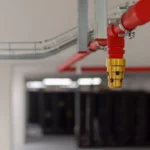
Fire sprinkler systems are among the most effective tools in commercial fire protection. They automatically activate when a fire reaches a certain temperature, suppressing flames before they can spread. Whether it’s a wet pipe, dry pipe, or pre-action system, each is designed for specific environments and hazards.
Proper installation and inspection of sprinkler systems are vital. Businesses can work with specialists to choose the right commercial sprinkler system solution tailored to their facility type.
3. Fire Extinguishers: Portable, Targeted Protection
While automated systems handle large-scale suppression, fire extinguishers are crucial for addressing smaller fires or containing flames until emergency services arrive. Facilities should ensure that:
- Extinguishers are strategically placed and easily accessible
- Staff are trained in their use
- Regular inspections and refills are conducted
The type of fire extinguisher—Class A, B, C, D, or K—must align with the potential fire risks in the environment, such as flammable liquids, electrical equipment, or kitchen grease.
4. Emergency Lighting and Exit Signs: Safe Evacuation

In the event of a fire, visibility can quickly diminish due to smoke and power outages. That’s why functional emergency lighting and clearly illuminated exit signs are essential. These systems guide building occupants to safety and reduce chaos during evacuations.
Periodic testing of emergency lighting should be part of your facility’s overall fire protection services checklist.
5. Fire Suppression Systems for Specialized Environments
In places where water can cause significant damage, like data centers, server rooms, or laboratories, specialized fire suppression systems such as clean agent systems, CO2, or foam-based suppression are critical.
These systems extinguish fires without harming sensitive equipment, making them a preferred choice in IT, aerospace, and pharmaceutical industries.
“Proper fire protection systems not only save lives, but also reduce the amount of damage to a building and its contents.” — Occupational Safety and Health Administration (OSHA)
6. Routine Inspections and Code Compliance Services
Having top-tier systems is insufficient—they must be inspected regularly to meet operational and legal standards. Professional code compliance services help businesses stay aligned with evolving fire safety regulations and avoid penalties.
Facilities should also maintain thorough inspections, repairs, and testing records for insurance and liability purposes.
7. Fire Safety Training and Emergency Preparedness

Even the best systems need to be supported by well-trained personnel. Fire safety training helps employees understand how to use extinguishers, recognize fire hazards, and execute evacuation procedures calmly and efficiently.
Regular fire drills, signage updates, and hazard assessments ensure that everyone in the facility is prepared to act in the event of a fire emergency.
Choosing a Fire Protection Partner
Not all fire protection companies offer full-service support. Choose a partner that provides installation, maintenance, inspections, training, and emergency services. This integrated approach ensures your facility stays protected from every angle.
Whether you’re designing a new building or upgrading your current fire safety systems, custom fire suppression solutions can help meet your building’s specific safety needs.
Protecting People and Property
Commercial fire protection isn’t just about checking boxes—it’s about saving lives, protecting investments, and ensuring business continuity. By implementing these core services, facilities can significantly reduce fire risks and improve emergency response times.
From inspection and maintenance to custom suppression systems, trust a provider that understands your industry’s needs. To take the next step, contact the experts in Commercial Fire Protection Services today.
Fire Loss Prevention: According to the U.S. Fire Administration, “In 2021, nonresidential building fires caused an estimated $3.5 billion in property loss.” Source: U.S. Fire Administration